Evaluating Christmas Wooden Cross Sublimation for Holiday Decor and Gifting
The intersection of faith and festive tradition often leads homeowners and gift-givers to seek decor that honors both spiritual significance and seasonal cheer. Christmas wooden cross sublimation has emerged as a distinct category within this niche, offering a method to permanently fuse high-resolution holiday imagery onto wood surfaces. Unlike traditional painting or surface-level stickers, sublimation involves a heat-transfer process where dye penetrates the porous structure of a specially coated wood, resulting in vibrant, durable designs that do not peel or crack easily. This technique allows for the seamless integration of religious symbolism with classic Christmas motifs such as snowflakes, nativity scenes, holly, and ornaments.
For consumers evaluating holiday decor options, understanding the specific mechanics and aesthetic outcomes of sublimation is crucial. This approach differs significantly from hand-painted crosses or those decorated with vinyl decals. When you choose a Christmas wooden cross sublimation product, you are typically selecting an item where the image becomes part of the material rather than sitting on top of it. This distinction affects not only the visual depth and color saturation but also the longevity of the piece when exposed to indoor lighting and varying humidity levels common during the holiday season.
Comparing Sublimation to Traditional Decorating Methods
When researching the best way to incorporate a cross into your Christmas display, it is helpful to compare sublimation against other prevalent methods. The primary alternatives usually include hand-painting, vinyl application, and laser engraving. Each method offers a different set of tradeoffs regarding cost, durability, and visual style.
- Hand-Painted Crosses: These items offer a unique, artisanal charm with visible brushstrokes and texture. However, they can be prone to chipping over time, and the complexity of the design is limited by the artist's skill. Mass-produced painted crosses may lack the fine detail achievable through digital printing.
- Vinyl Decals: Applying vinyl is a cost-effective way to add designs to plain wood. The downside is that vinyl sits on the surface and can eventually peel at the edges, especially if the wood expands or contracts with temperature changes. It often lacks the "built-in" look of sublimated images.
- Laser Engraving: This method burns the design into the wood, creating a permanent mark. While highly durable, it is monochromatic, relying on the contrast between the burnt wood and the natural grain. It cannot reproduce the full-color vibrancy of a snowy landscape or a colorful nativity scene.
- Sublimation: This method excels in full-color reproduction and durability. Because the ink turns into a gas and bonds with the polymer coating on the wood, the image is resistant to fading and scratching. The tradeoff is that it requires specific types of wood blanks with a polymer coating; it cannot be done on raw, untreated lumber.
For those prioritizing photorealistic details—such as a specific family photo incorporated into a wreath design or a intricate depiction of the Star of Bethlehem—Christmas wooden cross sublimation often provides the superior result. The ability to print complex gradients and sharp lines makes it ideal for modern, detailed aesthetics that hand-painting might struggle to replicate consistently.
Ideal Use Cases and Limitations
Determining whether this specific type of decor fits your needs depends largely on where you intend to place it and how long you expect it to last. Sublimated wood products are generally designed for indoor use. The polymer coating required for the sublimation process can degrade if exposed to direct sunlight for extended periods or harsh outdoor weather conditions like rain and snow.
If you are looking for a centerpiece for a mantle, a wall hanging for a foyer, or a thoughtful gift for a religious friend, these items are an excellent choice. The smooth finish of sublimated wood is easy to dust and maintain, making it practical for annual rotation from storage to display. However, if your goal is to create an outdoor garden marker or a decoration for a front porch exposed to the elements, you may need to consider alternative materials like metal, treated stone, or UV-resistant plastics, as the sublimated image may fade or the wood may warp.
Another consideration is the tactile feel. Some individuals prefer the rough, natural texture of raw wood or the raised dimensionality of carved details. Sublimated crosses typically have a very smooth, almost glossy or satin finish, depending on the coating used. While this enhances the visual clarity of the print, it alters the traditional sensory experience of wooden religious artifacts. Buyers should weigh the visual benefits of high-definition printing against the desire for a more rustic, tactile connection to the material.
Design Versatility and Customization Potential
One of the strongest arguments for choosing Christmas wooden cross sublimation is the sheer range of design possibilities. Because the image is generated digitally before being transferred, there are virtually no limits to the patterns, colors, or compositions available. Manufacturers and DIY enthusiasts can easily swap out background themes while keeping the cross shape constant.
Common design themes found in this category include:
- Nativity Focus: Detailed scenes of the manger, often blending softly into the wood grain for a vintage effect.
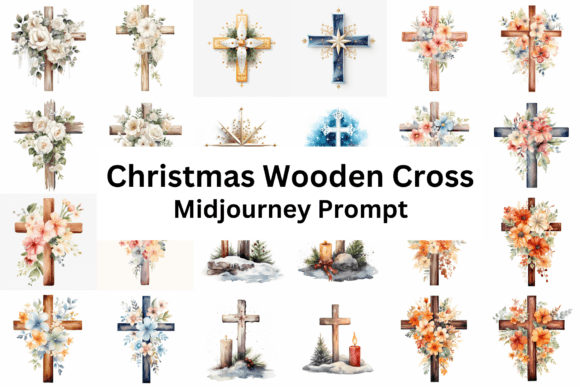
- Botanical and Floral: Poinsettias, holly berries, and pine branches wrapping around the arms of the cross.
- Scripture and Typography: Clear, legible Bible verses paired with subtle holiday backgrounds, ensuring the text remains the focal point without visual clutter.
- Abstract and Modern: Geometric snowflakes or watercolor washes that provide a contemporary look suitable for modern home interiors.
This versatility makes sublimation a powerful tool for personalization. Unlike pre-carved or pre-painted options that come in fixed designs, sublimation allows for small-batch customization. This is particularly valuable for churches or organizations looking to create commemorative items for members, or for families wanting to add a specific year or name to their holiday tradition without commissioning a custom painter.
Making an Informed Decision
Ultimately, the decision to invest in a Christmas wooden cross sublimation product comes down to balancing aesthetic preferences with practical requirements. If your priority is a crisp, colorful image that will remain vibrant year after year with minimal maintenance, and if the item will reside indoors, this method is likely your best option. It bridges the gap between the warmth of natural wood and the precision of modern digital art.
However, if you value the imperfections of hand-crafted goods, require outdoor durability, or prefer the monochromatic elegance of burned wood, other alternatives may serve you better. It is also worth noting that while sublimation is durable, the wood itself is still susceptible to physical impact. Dropping a sublimated cross could chip the wood or the coating, just as it would with any wooden object.
When shopping, look for indications of quality in the substrate. High-quality hardwoods like birch or maple, properly coated for sublimation, will yield sharper images and resist warping better than softer, cheaper woods. Check reviews for comments on color accuracy and edge-to-edge coverage, as poor alignment during the pressing process can leave white borders or blurry sections that detract from the overall appearance.
By understanding the technical strengths and limitations of Christmas wooden cross sublimation, you can select a piece that truly enhances your holiday spirit. Whether used as a quiet reminder of faith on a desk or a prominent statement on a living room wall, these items offer a unique blend of tradition and technology that stands out in a crowded market of seasonal decorations.